Thermal Break Windows: What They Are and Why They Matter in High-Performance Architecture

Thermal break windows are aluminum window frames engineered with an insulating barrier that interrupts the path of heat transfer between the interior and exterior sections of the frame. The result is a window that performs dramatically better in both cold and warm climates, reducing energy loss, eliminating cold spots on interior glass and framing, and preventing the condensation that plagues standard aluminum windows in high-performance buildings.
For architects and builders specifying luxury residential projects, the choice between standard and thermally broken aluminum is rarely academic. It shows up in energy modeling, in comfort complaints from occupants, and in the long-term performance of the building envelope. Clients investing in floor-to-ceiling glass and expansive aluminum window systems expect those systems to perform. Thermal break technology is how that expectation gets met.
This article covers how thermal break windows work, why thermally broken frames outperform standard aluminum in real-world conditions, and what to consider when specifying them for luxury residential and commercial projects.
What Are Thermal Break Windows and How Do They Work?

Aluminum is an excellent structural material for window frames, but it conducts heat aggressively. Standard aluminum window frames allow thermal energy to flow freely between the warm interior and cold exterior of a building, creating uncomfortable interior surfaces and significant energy loss.
A thermal break solves this by introducing a low thermal conductivity material, typically polyurethane, into the frame extrusion to physically separate the interior and exterior aluminum sections.
The thermal barrier is manufactured directly into the frame profile during the extrusion process. The two aluminum sections are connected by the polyurethane insert, which bonds them structurally while blocking the conductive path that would otherwise allow heat to transfer straight through the frame material. This is what separating the frame into interior and exterior sections actually accomplishes: the insulating bridge carries the load while stopping the thermal flow.
How Does a Thermal Barrier Differ From Standard Aluminum Framing?

In contrast to a thermally broken frame, a standard aluminum frame is a single continuous piece of metal. Aluminum has a thermal conductivity roughly 1,000 times higher than the polyurethane used in thermal break inserts. That gap in performance is not subtle. In winter, a standard aluminum frame in a cold climate can drop to near outdoor temperature on the interior surface, creating cold spots that radiate discomfort into the room and trigger condensation where warm air meets the cold frame.
Thermally broken frames keep the interior section at a temperature much closer to the room. This matters for comfort, for moisture control, and for the overall thermal efficiency of the building envelope. According to the U.S. Department of Energy, heat gain and heat loss through windows accounts for 25 to 30 percent of residential heating and cooling energy use, making frame performance a meaningful variable in any high-performance building design.
Pro tip: When reviewing thermal break specifications, ask for the frame's Uf value, which measures heat transfer through the frame alone. A lower Uf means better insulating performance. Many manufacturers publish this independently of the overall window U-value, giving you a more precise basis for comparison.
Why Do Thermally Broken Windows Outperform Standard Aluminum Windows?

The performance difference between thermally broken and standard aluminum windows becomes most apparent at the extremes of the climate range. In winter, the issue is heat loss and condensation. In summer, it is unwanted heat gain driving up cooling loads. Thermally broken window frames address both problems by limiting the conductive path through the frame, regardless of the direction of heat flow.
Beyond energy, there is a durability argument. Standard aluminum frames that cycle between extreme temperatures expand and contract at a rate that stresses seals and glazing. Thermally broken frames, with interior and exterior sections partially decoupled, experience less differential movement. This protects the glazing pocket and the seals that keep moisture out of the wall assembly over the long term.
What Problems Do Thermally Broken Frames Prevent?
The most common performance problems that thermally broken frames prevent in real-world installations include:
Condensation on interior frame surfaces and sill areas, which leads to water damage, mold risk, and finish deterioration over time
Cold spots along the window wall that create radiant discomfort and cause occupants to raise thermostat settings near glazed areas
Elevated heating and cooling loads in buildings with large glazed areas, where frame conductance becomes a measurable fraction of total envelope heat loss
Interior humidity imbalance caused by cold frame surfaces acting as unintended dehumidification points in the room
Accelerated seal and glazing failure driven by differential thermal expansion between the frame and glass in systems without a proper thermal barrier
Did you know? Polyurethane, the most common thermal break material, has a thermal conductivity approximately 1,000 times lower than aluminum. That single material substitution in the frame extrusion is what makes the entire performance difference between a standard and thermally broken aluminum window.
How Do Double Glazed Windows Work With Thermal Break Frames?
A thermally broken frame and double glazed windows work as a system. The frame handles thermal performance at the perimeter of the opening, while the glazing unit handles performance across the glass area. In most high-performance installations, the two need to be specified together to achieve the intended result.
Double glazed windows use two panes of glass separated by a sealed air or argon gas filled space. Argon gas is denser than air and conducts heat less readily, improving the insulating value of the glazing unit. In luxury residential applications, triple glazing adds a third pane and a second gas-filled cavity, pushing thermal performance further at the cost of additional weight and frame depth.
Specifying a thermally broken frame with double glazed units and argon gas fill is the standard approach for high-performance aluminum windows in most climate zones. For projects in extreme cold climates, triple glazing combined with a deeper thermal break profile and warm-edge spacer technology represents the next tier of performance. The engineering considerations behind aluminum window frame extrusion are worth understanding in detail before finalizing any specification.
Does Triple Glazing Make Sense for Every Project?
Triple glazing improves thermal performance but adds weight, cost, and frame depth to every opening. For most Pacific Northwest and Mountain West climates, a well-specified double glazed system with argon gas fill and a quality thermally broken frame delivers the performance required. Triple glazing is most justified in extremely cold climates where heating season dominates, in Passive House projects with strict envelope requirements, or in openings where acoustic performance is a co-priority.
The decision should be driven by energy modeling specific to the project location and window orientation, not by a general preference for higher specification. Adding triple glazing to a south-facing window in a moderate climate can actually reduce solar heat gain in winter in ways that increase heating loads, offsetting some of the insulating benefit.
Pro tip: Run orientation-specific energy modeling before deciding between double and triple glazing on large residential projects. South-facing glass benefits more from solar heat gain in winter climates than from added insulation, and the right glazing specification often varies by facade.
What Makes Aluminum Windows the Right Frame Material for Luxury Projects?

Aluminum remains the dominant frame material in high-specification architectural projects for reasons that go beyond aesthetics. It is structurally superior to wood and uPVC at large panel sizes, enabling the slim sight lines and oversized panels that define contemporary luxury architecture. It is dimensionally stable, corrosion resistant, and available in a complete range of powder-coated finishes that hold color over decades of exposure.
The historic knock against aluminum windows was thermal performance. Thermal break technology resolves that. A properly specified thermally broken aluminum window frame delivers energy efficiency comparable to wood or composite systems while maintaining all of aluminum's structural and dimensional advantages. For projects with large openings, this is not a minor consideration. The structural requirements of a 2,800-pound glass panel simply cannot be met by wood or uPVC at reasonable frame dimensions.
For a deeper look at how aluminum performs in luxury residential applications, this guide to aluminum windows in luxury homes covers material selection, finish options, and performance considerations in detail. The full range of Lucent's aluminum window and door systems is also worth exploring if you are actively specifying for a project.
How Does Energy Efficiency Change When You Specify Thermally Broken Frames?

The energy efficiency improvement from switching to thermally broken frames is most significant in buildings with high glazing-to-wall ratios. In a standard residential home with modest window area, frame conductance is a small fraction of total envelope heat loss. In a luxury home where floor-to-ceiling glazing replaces large portions of the wall assembly, the frame system becomes a major variable in the energy model.
Thermally broken frames also improve the performance of adjacent wall assemblies. Standard aluminum frames create thermal bridging that depresses the effective R-value of the surrounding insulation, extending the cold zone well beyond the frame itself. Eliminating that bridge improves the whole-wall performance, not just the window U-value recorded on the product specification sheet.
Do Double Hung Windows Benefit From Thermal Break Technology?
Yes, though double hung windows are less common in luxury architectural applications than fixed, casement, or large sliding systems. When double hung windows are specified, thermal break technology applies to the frame and sash profiles in the same way it does to any other aluminum window type. The operational hardware introduces additional air infiltration considerations that fixed and casement windows do not have, making the thermal break even more important as a compensating measure in the frame itself.
For the full range of door and window systems available for luxury architectural projects, Lucent's complete door and window system collection covers every major configuration currently available.
Did you know? Warm-edge spacer technology in the glazing unit works alongside the thermal break in the frame to eliminate the cold perimeter zone at the edge of the glass. Specifying both together prevents condensation at the sight line, which is one of the most common occupant complaints in thermally underperforming window installations.
When Should You Specify Thermally Broken Windows Over Standard Aluminum?
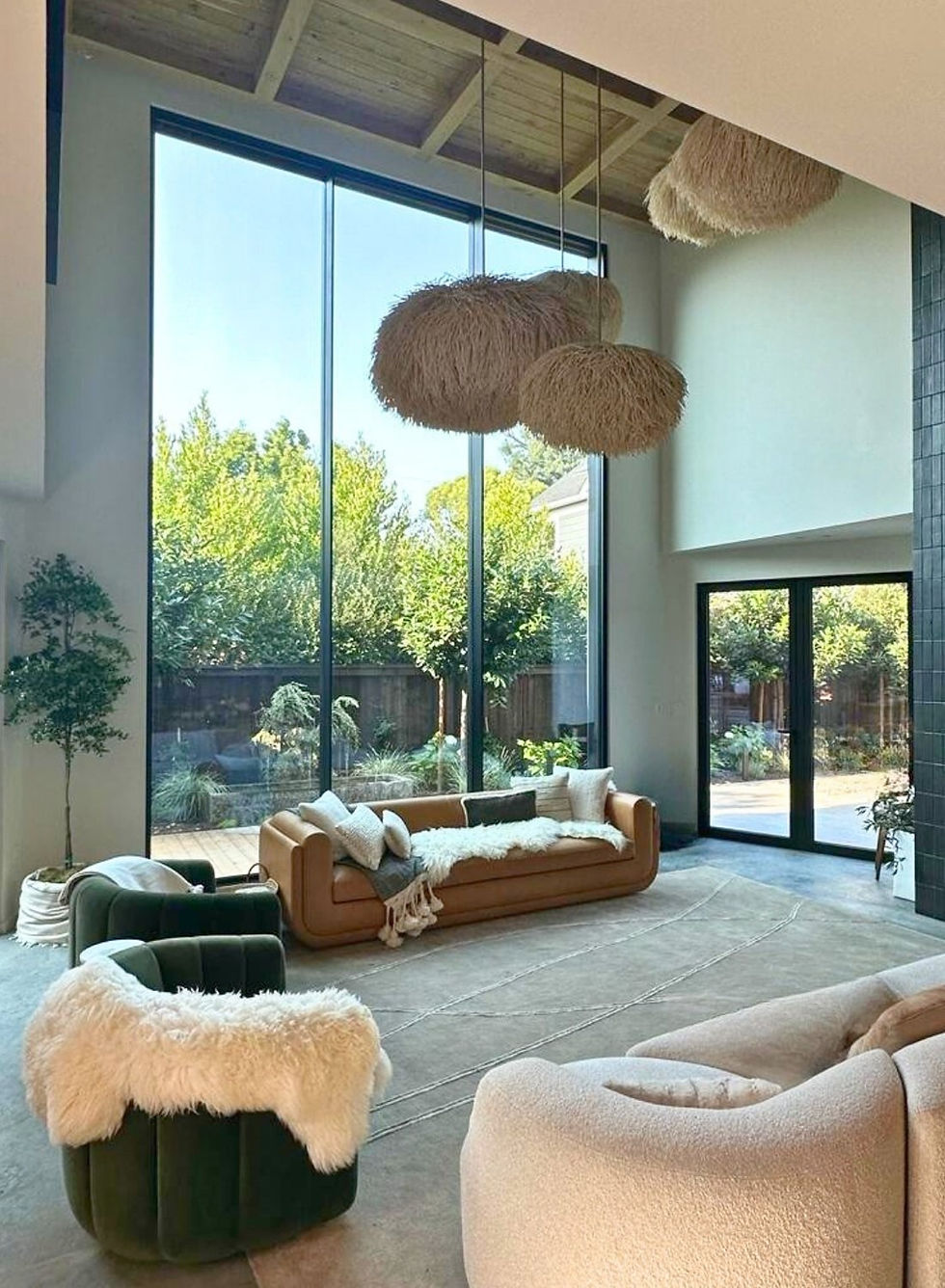
The honest answer is: almost always, when aluminum is the specified frame material. The cost premium for thermally broken frames over standard aluminum has narrowed significantly as the technology has become standard across premium manufacturers. In any climate with meaningful seasonal temperature variation, the performance case is clear. In mild climates, the condensation prevention and comfort argument alone typically justifies the upgrade.
Here is a straightforward decision sequence for specifying window frame performance:
Confirm the climate zone and identify the dominant thermal challenge, whether heating season, cooling season, or both
Determine the glazing-to-wall ratio for the project and note any facades with large continuous window or door systems
Specify thermally broken aluminum frames as the baseline for all aluminum windows and doors in any climate with winter temperatures below 40 degrees Fahrenheit
Select double glazed units with argon gas fill as the standard glazing specification, upgrading to triple glazing only where energy modeling or acoustic requirements justify the additional cost and weight
Add warm-edge spacer technology to glazing units in any installation where condensation on the interior sight line is a concern
If you are currently planning a project and want guidance on which window systems and thermal performance specifications are right for your specific climate and design intent, contact Lucent for a consultation.
Pro tip: When replacing existing aluminum windows in a renovation project, confirm that the new thermally broken frame depth is compatible with the existing rough opening and wall assembly before ordering. Thermally broken profiles are typically deeper than standard aluminum, and the difference occasionally requires minor jamb extension or trim adjustments.
Frequently Asked Questions About Thermal Break Windows
What is the difference between a thermal break window and a standard aluminum window?
A thermal break window has an insulating barrier, typically polyurethane, built into the aluminum frame profile that separates the interior and exterior sections of the frame. This barrier interrupts the conductive path through the frame, significantly reducing heat transfer. A standard aluminum window has no such separation, allowing heat to flow directly through the continuous metal frame.
Do thermal break windows prevent condensation?
Yes, in most cases. Condensation on interior window surfaces forms when the surface temperature drops below the dew point of the room air. By keeping the interior frame surface warmer, thermally broken frames stay above the dew point in conditions where standard aluminum frames would not. Pairing thermal break frames with warm-edge glazing spacers addresses the sight line area as well, which is where condensation most commonly appears in partially upgraded systems.
Are thermally broken windows worth the cost?
For any project with meaningful winter temperatures or significant glazing area, yes. The energy savings over the life of the building typically outweigh the upfront cost difference, and the comfort and moisture control benefits are immediate. In luxury residential projects with large window and door systems, the cost difference between standard and thermally broken aluminum is small relative to the overall glazing budget.
What material is used for the thermal break in aluminum windows?
Polyurethane is the most common thermal break material in aluminum window frames. It has very low thermal conductivity, bonds well to aluminum, and is structurally capable of connecting the two frame sections under normal load conditions. Some manufacturers use glass fiber reinforced polyamide for higher-load applications where additional structural performance is required from the thermal break itself.
How do I know if my windows have a thermal break?
Look at the frame cross-section at any exposed edge, such as a cut corner or an open hardware pocket. A thermally broken frame will show a visible line of contrasting material, typically a darker or lighter strip, running through the middle of the aluminum profile. If the frame appears to be a single continuous piece of metal with no visible insert or barrier, it is likely a standard non-thermally broken profile.
Can thermal break windows be used in commercial buildings?
Yes. Thermally broken aluminum frames are standard specification in commercial curtain wall, storefront, and window wall systems. Commercial applications often have even more to gain from thermal break technology given the larger glass areas and stricter energy code requirements that apply to commercial buildings. Most modern commercial aluminum window systems are manufactured with thermal breaks as a baseline feature rather than an upgrade.
Ready to Specify the Right Window System for Your Project?
Thermal break windows represent a straightforward upgrade that pays dividends in comfort, energy efficiency, moisture control, and long-term durability. For luxury residential and commercial projects where aluminum is the specified frame material, thermally broken frames are not a premium option. They are the correct baseline specification for any building that takes performance seriously.
Lucent works with architects, builders, and homeowners across Washington, Oregon, Idaho, Montana, and Wyoming to specify and install door and window systems that meet the demands of high-performance luxury architecture. Contact Lucent to discuss your project and get guidance on the right thermal performance specification for your climate and design goals.
Explore Lucent's aluminum window systems for the full range.