Aluminum Windows for Luxury Homes: Complete Architect's Guide 2026
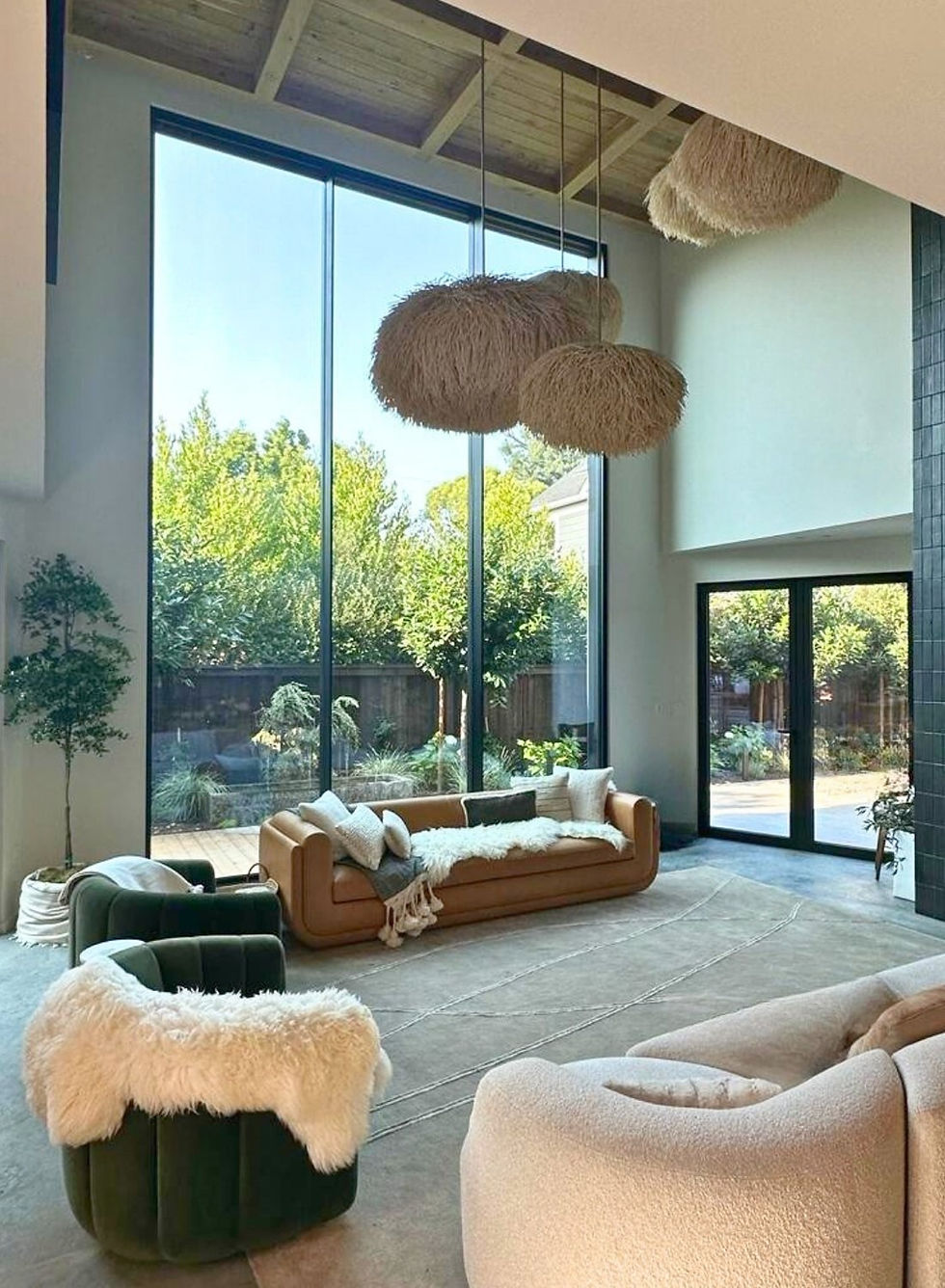
When architects and designers specify windows for high-end residential projects, aluminum window systems consistently emerge as the optimal choice. These precision-engineered frames deliver exceptional performance across multiple criteria: structural strength, energy efficiency, design flexibility, and lifetime durability.
For homeowners investing in luxury properties, aluminum windows represent not just a building component, but a critical design decision that shapes both aesthetic vision and long-term property value.
The appeal of aluminum extends far beyond its sleek contemporary profiles. Modern aluminum window technology has evolved dramatically over the past two decades, with thermally-broken frames now achieving energy performance that rivals or exceeds traditional materials.
When you're planning a major renovation or custom build where natural light, unobstructed views, and architectural precision matter most, aluminum provides the foundation for realizing ambitious design concepts.
Unlike materials that compromise between form and function, aluminum delivers both simultaneously. The material's exceptional strength-to-weight ratio allows for expansive glass areas with minimal framing, perfect for capturing panoramic views or flooding interiors with daylight. Custom sizes that would be impractical or impossible in other materials become achievable with aluminum engineering, opening new possibilities for unique architectural expression.
Why Are Aluminum Windows the Preferred Choice for Luxury Architecture?

The construction industry has witnessed aluminum's transformation from a purely commercial building material to the gold standard for high-end residential design. This evolution reflects fundamental material advantages that directly address what architects and homeowners value most.
Unmatched Durability and Longevity
Durability stands paramount. Aluminum frames maintain structural integrity and reliable performance for decades without the degradation patterns that affect other materials.
Wood requires refinishing, rots when moisture barriers fail, and invites insect damage. Vinyl warps under thermal stress and limits color choices. Steel demands vigilant corrosion prevention.
Aluminum naturally forms a protective oxide layer that shields against environmental damage. This provides inherent corrosion resistance that proves particularly valuable in coastal environments and areas with extreme weather conditions.
Pro tip: Specify marine-grade aluminum alloys for projects within 10 miles of saltwater. The enhanced corrosion resistance extends frame life by 30-40% compared to standard architectural grades.
Design Flexibility
The material's design flexibility transforms abstract architectural concepts into built reality. Aluminum accepts virtually any finish through powder coating or anodizing, allowing perfect color matching to project palettes.
Whether you need matte black frames for an industrial home's aesthetics, bronze tones for traditional settings, or custom colors that don't exist in standard catalogs, aluminum accommodates the vision. This variety extends beyond finishes to encompass shapes, styles, and configurations that other materials simply cannot achieve.
Superior Energy Efficiency
Energy efficiency has become non-negotiable in modern construction. Contemporary aluminum window systems deliver durable performance that meets the most stringent building codes.
Thermally-broken profiles (where an insulating barrier separates interior and exterior aluminum sections) prevent heat transfer while maintaining the material's structural advantages. High-performance units now achieve U-factors below 0.30, rivaling triple-glazed wood or fiberglass systems.
When combined with low-E glass coatings and argon gas fills, aluminum windows provide the thermal envelope performance that passive house standards and energy-conscious homeowners demand.
Performance by the Numbers:
50+ year lifespan with minimal maintenance
U-factors as low as 0.26 (Sosoares Sistema OS-D+ tested performance)
90% less maintenance than wood over 30 years
Class 4 air permeability for superior energy retention
Minimal Maintenance Requirements
The low maintenance requirements represent a practical benefit that accumulates value over decades. Unlike wood's periodic refinishing or steel's rust prevention protocols, aluminum frames require only occasional cleaning.
The material demands:
Annual cleaning with mild soap and water
Simple hardware lubrication with silicone spray
Occasional weep hole checks for proper drainage
No painting, sealing, or structural repairs
This minimal upkeep proves especially valuable in hard-to-reach installations like second-story windows, clerestory panels, or architectural features where access involves scaffolding or specialized equipment.
How Do Aluminum Windows and Doors Perform in Different Climates?

Climate considerations fundamentally influence window specification. Aluminum's performance characteristics adapt remarkably well to diverse environmental challenges. Understanding how the material responds to your specific regional conditions ensures optimal selection and long-term satisfaction.
Pacific Northwest Performance
Pacific Northwest projects face unique demands: persistent moisture, moderate temperatures, and coastal salt exposure in many locations. Aluminum excels in these conditions where wood-framed windows historically struggled with rot and decay.
The material's corrosion resistance means frames maintain structural integrity and functionality despite constant humidity and salt air. For comprehensive analysis of how different materials perform in regional climates, our Pacific Northwest Climate: Door Material Performance Guide provides detailed comparisons across multiple environmental factors.
Did you know? Thermally-broken aluminum windows can actually outperform wood in energy efficiency while requiring 90% less maintenance over a 30-year lifespan.
Desert and High-Altitude Environments
Desert and high-altitude environments present opposite challenges: extreme temperature swings, intense UV exposure, and low humidity. Aluminum's thermal expansion coefficient remains manageable with proper engineering.
Powder-coated finishes resist UV degradation far better than painted wood or vinyl surfaces. The material won't dry out, crack, or lose structural properties in arid conditions.
Coastal Installation Excellence
Coastal installations demand materials that withstand salt spray, wind-driven rain, and the corrosive effects of marine atmospheres. Standard aluminum performs adequately in most coastal settings, but marine-grade alloys provide added strength and corrosion resistance for properties directly on the water.
Properly specified aluminum windows maintain performance and appearance for 50+ years in these challenging environments, a timeline that few other materials can match.
Want to ensure your coastal project gets the right specifications? Contact our team for climate-specific recommendations.
Cold Climate Performance
Cold climate performance once represented aluminum's primary limitation, but modern thermal break technology has eliminated this concern. Today's high-performance aluminum windows incorporate polyamide or polyurethane thermal barriers that completely separate interior and exterior metal surfaces.
This engineering prevents condensation, eliminates ice formation, and maintains comfortable interior surfaces even when outdoor temperatures plunge below zero.
Understanding Thermal Break Technology
The thermal break represents perhaps the most significant advancement in aluminum window engineering. Early aluminum frames conducted heat rapidly, creating condensation problems and energy losses.
Contemporary thermally-broken profiles use precision-engineered insulating barriers within the frame structure itself. These barriers (typically 20-35mm wide depending on performance requirements) create a complete thermal separation.
Exterior aluminum sections experience outdoor temperatures while interior portions remain at room temperature. The result: U-factors that meet or exceed code requirements nationwide, condensation resistance that prevents frame icing, and consistent performance across the material's full temperature range.
For a full breakdown of how thermal breaks work and where they matter most, see our guide to thermal break windows.
What Makes Quality Windows Worth the Investment?

Specifying quality windows involves understanding performance metrics beyond basic function. The difference between adequate and exceptional aluminum window systems manifests across multiple dimensions that directly impact property value, occupant comfort, and long-term costs.
Enhanced Security Features
Security features vary dramatically between economy and premium aluminum window lines. High-quality systems provide:
Thicker frame profiles that resist forced entry
Multi-point locking hardware with commercial-grade mechanisms
Laminated glass options for impact resistance
Anti-finger-jamming safety features
Reinforced corner construction for added strength
The material's inherent strength means frames resist prying and impact better than alternatives, providing peace of mind that softer materials cannot match.
Superior Acoustic Performance
Acoustic performance becomes critical in urban environments or properties near transportation corridors. Premium aluminum windows accommodate thicker glass, laminated acoustic panels, and wider airspaces between glazing layers. All these factors dramatically reduce sound transmission.
High-performance systems achieve acoustic ratings of Rw 38-42dB, effectively blocking traffic noise and creating quiet interior environments. When external noise threatens to compromise interior comfort, properly specified aluminum systems create the quiet sanctuaries that luxury residential design demands.
Acoustic Excellence:
Rw = 38dB standard performance (Sistema OS-D+)
Rw = 42dB with upgraded glazing options
Reduces traffic noise by 70-80%
Creates peaceful environments even in urban settings
Long-Lasting Seals and Weather Protection
The seals and weather stripping that maintain energy efficiency and water resistance represent another quality differentiator. Premium systems use automotive-grade seals designed for 100,000+ operation cycles without degradation.
These components keep wind, water, and air infiltration at bay throughout the window's lifetime. Top-tier systems achieve Class E1350 water tightness ratings and Class C5 wind resistance, performance levels that maintain integrity even in hurricane-prone regions.
Precision Hardware and Smooth Operation
Hardware quality directly impacts daily functionality and longevity. Precision-machined operators, robust hinges, and commercial-grade locking mechanisms operate smoothly for decades.
Cheap hardware binds, corrodes, and fails, creating frustration and requiring replacement far sooner than the windows themselves. When you're investing in custom sizes and architectural-grade systems, specify hardware that matches the overall quality level.
Pro tip: Insist on performance testing certification from AAMA (American Architectural Manufacturers Association). This third-party verification confirms windows actually meet specified ratings for air infiltration, water resistance, and structural loads rather than just theoretical claims.
Aluminum Window Design Options and Customization

Modern aluminum window technology supports virtually unlimited design possibilities. From historically-inspired divided lights to minimalist contemporary walls of glass, understanding available options helps translate architectural vision into functional specifications.
Which Window Styles Best Suit Your Design?
Casement windows rank among the most versatile aluminum window configurations. These side-hinged units swing outward, providing maximum ventilation and unobstructed views when opened.
Casement windows work beautifully in both traditional and modern design contexts. Specify narrow profiles and minimal sight lines for contemporary aesthetics, or incorporate simulated divided lights and traditional proportions for classical architecture.
The casement mechanism offers practical advantages beyond style flexibility. Because the sash compresses against the frame when closed, these windows provide superior air and water seals compared to sliding configurations.
Wind actually improves the seal rather than compromising it, making casement styles ideal for exposed locations. When combined with durable aluminum, casement windows deliver reliable performance that maintains tight seals for decades.
Fixed and Operable Combinations
Picture windows maximize glass area for views and natural light while eliminating operable components entirely. These fixed panels work perfectly in combination with operable units, creating walls of glass punctuated by ventilation where needed.
Aluminum's strength allows picture windows to span dimensions impossible in other materials. Modern engineering supports 10' x 10' or larger panels without intermediate mullions.
Awning and hopper configurations provide ventilation while offering weather protection. Awning windows hinge at the top and project outward, allowing fresh air even during rain.
Hopper units hinge at the bottom and tilt inward, facilitating ventilation while maintaining security. They're perfect for basement or bathroom applications.
Creating Custom Configurations with Aluminum
The material's workability and strength enable custom shapes that realize unique architectural visions. Aluminum fabrication accommodates:
Radius tops and arched configurations
Triangular gables and trapezoid shapes
Complex geometric compositions
Curved profiles impossible in rigid materials
Precise mitering for clean corner details
Custom sizes represent another area where aluminum excels. Need 12-foot tall windows to capture view corridors? Require narrow widths that fit between existing structure?
Aluminum engineering accommodates these specifications while maintaining structural performance. The material's strength means less frame material is required to support large glass areas, maximizing the transparency that contemporary design values.
Finish Options for Perfect Integration
Multiple finishes and colors allow aluminum windows to integrate seamlessly with any architectural palette. Powder coating offers hundreds of standard colors plus unlimited custom matches, with textured or smooth surface options.
Anodizing creates natural metallic appearances in bronze, champagne, black, or silver tones. These finishes develop subtle patinas over time while resisting corrosion and UV degradation. Two-tone specifications (different exterior and interior colors) provide even greater design control.
For projects seeking to connect interior and exterior spaces, consider complementary aluminum systems across the building envelope. Custom sliding glass doors can match window profiles perfectly, creating visual continuity between different opening types.
This coordination extends to hardware finishes, glazing specifications, and thermal performance. It ensures the entire fenestration package works as a cohesive system.
Which Window Frame Material Offers the Best Durability?
Material selection impacts every aspect of window performance, from initial aesthetics through decades of operation. Understanding how aluminum compares to alternatives helps inform specifications that balance priorities appropriately.
Material | Durability | Maintenance | Thermal Performance | Weather Resistance | Best Applications |
Aluminum | Excellent (50+ year lifespan) | Minimal - occasional cleaning only | Excellent with thermal breaks | Superior in all climates, especially coastal | Contemporary designs, large openings, coastal properties, low-maintenance priorities |
Wood-Clad | Good (30-40 years with maintenance) | High - periodic refinishing required | Excellent natural insulation | Fair - wood requires weather protection | Traditional aesthetics, protected locations, interior applications |
Steel | Excellent (40+ years) | Moderate - corrosion prevention needed | Good with thermal breaks (condensation concerns in cold climates) | Good with proper finishing | Ultra-contemporary designs, maximum glass area, security priorities |
Bronze | Exceptional (100+ year lifespan) | Low - develops natural patina | Good | Excellent | Heritage projects, luxury custom builds, timeless elegance |
This comparison reveals why aluminum dominates modern architectural specifications. The material is exceptionally durable without demanding the maintenance that wood requires or the condensation management that steel needs. Coastal and Pacific Northwest climates particularly favor aluminum's corrosion resistance and weather performance.
Wood-clad systems combine structural aluminum or steel cores with natural wood exterior cladding, offering traditional aesthetics with improved structural performance. However, the wood component still requires refinishing every 5-7 years to prevent deterioration.
Interior applications where doors and windows are protected from direct weather make wood-clad systems more practical than fully exposed installations. For projects leaning toward a warm wood interior, our wood-clad window guide covers hybrid construction in detail.
Steel's exceptional strength allows minimal frame dimensions, perfect for contemporary designs seeking maximum transparency. Yet the material's weight creates structural challenges, and cold climate installations demand careful attention to thermal break engineering.
Without proper specification, steel frames develop condensation and ice during winter conditions.
Bronze offers the beauty of living finish characteristics that develop rich patinas over time, creating surfaces that evolve for decades. The material's substantial cost restricts it to projects where budget allows premium specifications.
Additionally, heritage projects and custom homes seeking timeless elegance frequently choose bronze despite pricing that can exceed aluminum by 300-400%.
How Do Aluminum Windows Maximize Natural Light and Views?

Light quality and view access profoundly influence how spaces feel and function. Aluminum window engineering specifically addresses these factors through frame profiles, glass area optimization, and structural capabilities that other materials cannot match.
Minimalist Profiles for Maximum Glass
The material's high strength-to-weight ratio permits slender frame sections that maximize glazing area. Where vinyl or wood frames might require 4-6 inch wide members to achieve structural performance, aluminum accomplishes the same with 2-3 inch profiles.
This difference translates directly into increased glass area: more natural light penetration and expanded views.
Large Panel Capabilities
Large panel capabilities further enhance daylighting strategies. Aluminum frames can support glass panels exceeding 10 feet in both dimensions, creating floor-to-ceiling transparency that dissolves boundaries between interior and exterior.
These expansive openings flood spaces with daylight while framing views as architectural features in themselves.
Creating Indoor-Outdoor Connections
Contemporary residential design increasingly emphasizes indoor-outdoor connections, and aluminum systems facilitate this integration. When paired with complementary aluminum sliding or pivot doors, windows can create continuous glass walls that open spaces to terraces, gardens, and natural surroundings.
For dramatic entrance statements, explore how pivot door installation creates stunning transitions that complement expansive window systems.
Corner Window Innovation
Corner window assemblies represent another design opportunity enabled by aluminum engineering. The material supports structural loads that allow glass to meet at 90-degree angles with minimal framing, creating the floating corner effects that define contemporary architecture.
These configurations maximize light entry while presenting uninterrupted views along two axes simultaneously.
When Are Aluminum Windows the Right Choice?
Understanding when aluminum windows deliver maximum value helps architects and homeowners make informed material selections. Aluminum excels in specific applications where its unique characteristics provide decisive advantages.
Ideal Applications:
Coastal Properties (Any Distance from Ocean) Salt air and marine environments demand corrosion-resistant materials. Aluminum's natural oxide layer and marine-grade alloy options ensure 50+ year performance without degradation, even in direct salt spray exposure.
Floor-to-Ceiling Window Walls When views and natural light take priority, aluminum's strength enables expansive glass areas with minimal framing. Systems support panels exceeding 12 feet in height while maintaining structural integrity.
Corner Window Assemblies Floating corner effects require materials strong enough to support glass meeting at 90-degree angles. Aluminum engineering makes these dramatic details achievable while maintaining weather performance.
Oversized Openings (8'+ in Any Dimension) Large custom sizes that challenge wood or vinyl become standard specifications with aluminum. The material accommodates unique dimensions without sacrificing performance.
Modern/Contemporary Architecture Sleek profiles, minimal sight lines, and precision engineering align perfectly with contemporary design aesthetics. Unlimited color options ensure integration with any palette.
Low-Maintenance Priorities Homeowners seeking set-it-and-forget-it performance benefit from aluminum's minimal maintenance requirements. No refinishing, painting, or protective treatments needed.
High-Security Requirements Thicker profiles, multi-point locking, and inherent material strength make forced entry significantly more difficult. Premium systems include anti-break-in hardware and laminated glass compatibility.
Real-World Performance: Tiburon Coast Project

The Tiburon Coast residence demonstrates aluminum's capabilities in demanding coastal environments. This luxury property features extensive Sosoares custom aluminum windows and doors, specifically the Sistema OS-D+ and Sistema ST product lines.
Located in one of California's most challenging marine environments, the installation required exceptional performance across multiple criteria. The Sistema OS-D+ windows deliver:
U-factor of 0.26 (Uw = 1.48 W/m²K) for superior energy efficiency
Class 4 air permeability ensuring minimal infiltration
Class 7A water tightness for complete weather protection
Acoustic insulation of Rw = 38dB creating peaceful interiors despite coastal winds
The complementary Sistema ST sliding systems provide:
Class E1350 water tightness, among the highest ratings available
Class C5 wind resistance suitable for extreme exposure
Class 4 air permeability matching window performance
Years after installation, these systems continue operating flawlessly. Salt spray, wind-driven rain, and intense UV exposure haven't degraded performance or appearance. This stands as testament to proper aluminum specification and precision European engineering.
Considering a coastal project? Our team can provide specific product recommendations based on your exposure level and performance requirements.
What Should You Look for in an Aluminum Window Provider?

Selecting the right manufacturer fundamentally determines whether aluminum window systems achieve their performance potential. The best providers distinguish themselves through specific capabilities that translate engineered specifications into flawless installed reality.
Minimalist Design Philosophy
Superior manufacturers focus on thin profiles that create maximum glass areas, letting scenery become the focal point. This design approach requires sophisticated engineering. Achieving structural performance while minimizing visual mass demands precision extrusion design and advanced fabrication techniques.
The best systems reduce sight lines to absolute minimums, creating the transparent walls that contemporary architecture demands.
High-Performance Engineering
Look for systems offering excellent thermal efficiency through thermally-broken profiles and argon gas fills, combined with acoustic insulation capabilities using laminated glass options. Performance specifications should include:
U-factors below 0.30 for superior energy efficiency
Multiple thermal break widths optimized for different climates
Acoustic ratings (STC values) of 35dB or higher
Condensation resistance factors above 60
Air infiltration rates below 0.3 CFM per square foot
These metrics ensure comfort across seasons while reducing energy costs throughout the window's lifetime.
Security and Durability Features
Premium providers incorporate anti-break-in hardware, anti-finger-jamming safety features, and heavy-duty options suitable for both residential and public buildings. Security considerations include multi-point locking systems, laminated glass compatibility, and frame strength that resists forced entry.
Durability extends beyond materials to encompass testing protocols. Demand evidence of cycle testing, impact resistance, and long-term weather exposure validation.
Product Versatility for Design Freedom
The manufacturer should offer a wide range of products including sliding, hinged, and unique sash windows for diverse architectural needs. Versatility means accommodating custom configurations without premium pricing or extended lead times.
The best providers view unusual specifications as standard practice, bringing decades of experience solving complex fenestration challenges.
Integrated Solutions Beyond Frames
Advanced manufacturers combine aluminum frames with glass transformation capabilities including tinting and digital printing for complete aesthetic control. This vertical integration allows coordinated solutions where frame finishes, glass specifications, and hardware selections work as unified systems.
When providers control the entire fenestration package, performance optimization and visual consistency improve dramatically.
Comprehensive Technical Support
Strong customer support from budgeting through on-site technical training ensures correct installation and performance. Evaluate manufacturers based on:
Engineering assistance during design development
CAD integration and building information modeling
Installation training programs for contractors
Field technical support during construction
Long-term service commitments and warranty administration
This support infrastructure separates manufacturers who view windows as products from those who understand fenestration as building systems requiring comprehensive expertise.
Why European Manufacturers Often Deliver Superior Value

A common misconception suggests European doors and windows cost more due to international shipping. In reality, European manufacturers often provide superior value, typically 20-40% less expensive for comparable quality levels.
Understanding the manufacturing model differences explains this counterintuitive reality.
The Manufacturing Model Difference
American "Parts and Pieces" Approach:
Manufacturers buy components from multiple suppliers
Each supplier adds markup to components
Multiple brokers and dealers involved in distribution
Costs compound through extended supply chains
Quality control challenges across disconnected suppliers
European Vertical Integration:
Brands like Sosoares own entire manufacturing processes
Produce own extrusions, locks, hardware, handles, weatherstripping
Single-stream production eliminates middlemen markups
Superior quality control throughout fabrication
Engineering sophistication refined through decades of high-end residential work
People assume European products cost more because they're "imported." The reality proves opposite. Vertical integration makes European doors and windows more cost-effective despite international logistics, while delivering engineering sophistication that American manufacturers often purchase piecemeal from various suppliers.
Value Reality Check:
European vertical integration = 20-40% lower costs than comparable US quality
Single-source accountability throughout production
50+ years of high-performance residential engineering
No broker/dealer markup chains
Pro tip: When comparing window quotes, European manufacturers' apparent higher upfront cost often represents better value because markup chains are eliminated. Factor in the superior engineering and longevity, not just initial price.
Engineering Heritage Advantages
European manufacturers bring decades of experience serving markets where energy codes demand excellence and homeowners expect multi-generational performance. This heritage translates into refined thermal break technology, precision hardware, and attention to installation details that American residential markets are only now beginning to demand.
The engineering sophistication represents accumulated knowledge rather than marketing differentiation.
What's New in Aluminum Window Technology for 2026?
The aluminum window market continues evolving, driven by changing energy codes, architectural trends, and technological integration. Understanding emerging developments helps future-proof specifications and ensures designs remain current.
Triple-Pane Becoming the Premium Standard
While double-pane thermally-broken windows satisfy most energy codes, triple-pane configurations increasingly define luxury specifications. The additional glass layer provides:
U-factors as low as 0.15-0.20 for passive house compliance
Enhanced acoustic performance (45-50dB ratings)
Improved comfort through reduced radiant heat transfer
Future-proofing against tightening energy codes
Aluminum's strength accommodates the additional weight and thickness of triple-pane assemblies without compromising profile elegance or operational smoothness.
Automated Systems and Motorization
Smart home integration drives demand for motorized window systems. Contemporary installations increasingly feature:
Remote-controlled operation via smartphone apps
Integration with home automation platforms
Automated ventilation based on temperature/air quality sensors
Emergency egress programming for safety compliance
Voice control through smart home assistants
For comprehensive automation solutions that integrate windows with entry systems, DAS Door Automation Systems provides sophisticated controls designed specifically for luxury residential applications. Their platforms coordinate motorized windows, automated doors, and security systems into unified interfaces.
Larger Size Trends
Architectural preferences continue pushing dimensional boundaries. Panels exceeding 12 feet in height or width (once considered special orders) become increasingly standard.
This trend toward transparency requires materials capable of supporting extreme dimensions. Aluminum's strength-to-weight ratio makes these ambitious specifications achievable while maintaining energy performance and operational reliability.
Planning an automated installation? Our team can coordinate with automation specialists to ensure seamless system integration.
Frequently Asked Questions About Aluminum Windows
What is the typical lifespan of aluminum windows?
Properly manufactured and installed aluminum windows typically last 50+ years with minimal maintenance. The material doesn't rot, warp, or deteriorate like wood, and quality powder-coated or anodized finishes maintain appearance for decades.
Many aluminum window installations from the 1970s continue performing reliably today, testament to the material's exceptional longevity. Frame warranties from reputable manufacturers typically range from 20-30 years, with hardware and finish warranties covering 10-15 years.
Do aluminum windows require special maintenance?
Aluminum windows demand remarkably little maintenance compared to alternatives. Annual cleaning with mild soap and water typically suffices to maintain appearance. Lubricate hardware annually with silicone spray to ensure smooth operation.
Check and clean weep holes to maintain water drainage. Unlike wood windows requiring periodic refinishing or vinyl that becomes brittle and discolored, aluminum maintains structural integrity and appearance with minimal intervention.
The material's corrosion resistance means no painting, sealing, or protective treatments are necessary.
Can aluminum windows match traditional architectural styles?
Modern aluminum window technology absolutely supports traditional design aesthetics. Simulated divided lights, custom colors that match historical palettes, and proportions derived from period-appropriate patterns all become achievable with aluminum fabrication.
Many historic preservation projects now specify aluminum for replacement windows because properly detailed systems replicate traditional appearances while delivering contemporary performance and avoiding wood's maintenance demands. The key lies in working with manufacturers experienced in traditional detailing rather than assuming aluminum only suits contemporary design.
How do aluminum windows perform in extreme weather?
Aluminum excels in extreme weather conditions that challenge other materials. The metal's corrosion resistance performs reliably in hurricane-prone coastal regions, where salt spray and wind-driven rain quickly deteriorate untreated materials.
In cold climates, thermally-broken aluminum prevents condensation and ice formation while maintaining energy efficiency. Desert environments with intense UV exposure and temperature swings favor aluminum's dimensional stability and finish durability.
According to the International Code Council, aluminum windows can be engineered to meet design pressure requirements exceeding 100 psf, suitable for high-wind coastal zones and mountain locations.
What energy efficiency ratings should I look for in aluminum windows?
Target aluminum windows with U-factors of 0.30 or lower for cold and mixed climates. This ensures adequate thermal performance for energy codes and occupant comfort. Solar Heat Gain
Coefficient (SHGC) requirements vary by climate: specify 0.25-0.40 SHGC in cooling-dominated regions to minimize heat gain, while heating-dominated climates benefit from higher SHGC values (0.40-0.60) that capture passive solar heating.
Air infiltration ratings should not exceed 0.3 cubic feet per minute per square foot of window area. Condensation Resistance Factor (CRF) above 60 indicates frames that resist condensation in cold weather, according to the National Fenestration Rating Council testing standards.
Are aluminum windows environmentally sustainable?
Aluminum represents one of the most sustainable window frame materials available. The metal is infinitely recyclable without quality degradation. Approximately 75% of all aluminum ever produced remains in use today through recycling.
Window frame aluminum typically contains 50-70% recycled content, reducing embodied energy substantially. The material's durability means windows remain in service for 50+ years, avoiding landfill waste from premature replacement.
End-of-life aluminum frames retain significant scrap value, ensuring recovery and recycling rather than disposal. When combined with energy-efficient glazing, aluminum windows contribute to building performance that reduces operational energy consumption throughout the building's lifetime.
Conclusion: Investing in Performance That Lasts
Aluminum windows represent a confluence of performance attributes that few material alternatives can match: exceptional durability, minimal maintenance, design flexibility, and proven reliability across diverse climates and applications.
For architects specifying luxury residential projects, the material provides the foundation for realizing ambitious design visions while ensuring clients enjoy decades of trouble-free operation.
Whether your project demands coastal corrosion resistance, expansive glass areas, contemporary minimalism, or traditional proportions with modern performance, properly specified aluminum window systems deliver results that justify premium investment. The material's strength, workmanship flexibility, and finish options enable customization that supports unique architectural expression while maintaining structural integrity and reliable functionality.
Ready to explore how custom aluminum windows can elevate your next project?
Lucent's team specializes in translating architectural vision into precision-fabricated reality.
From initial concept through installation support, we provide the technical expertise and manufacturing capability that luxury residential design demands. Contact our team to discuss your specific requirements and discover how our aluminum window and door systems can bring your design vision to life with performance that lasts a lifetime.