Wood-Clad Windows: The Architect's Case for Hybrid Construction in Luxury Builds
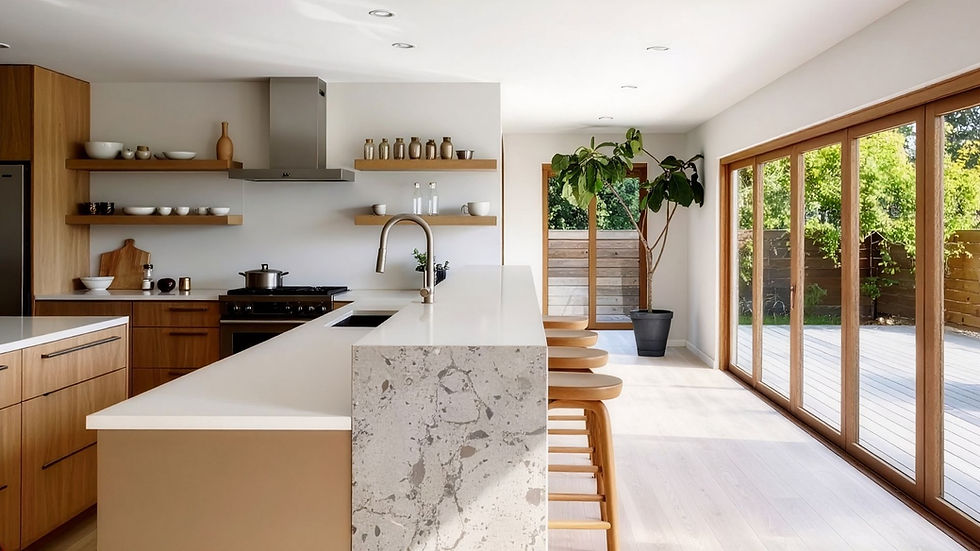
Wood-clad windows combine a genuine wood interior with a protective aluminum exterior, delivering the warmth and thermal performance of wood construction without the maintenance demands that have historically made specifying wood windows a difficult call on high-exposure projects. The result is a hybrid system that performs where pure wood is vulnerable and looks the way aluminum alone never can.
For architects and builders working on projects where the interior aesthetic is as closely considered as the exterior envelope, wood-clad construction resolves a tension that has existed in the industry for decades. Clients want the tactile warmth and visual richness of real wood on the interior. They do not want to re-coat, reseal, or repair exposed wood framing every few years. Wood-clad systems make both things possible in the same window.
This article covers how wood-clad windows are constructed, where they outperform single-material alternatives, and what to consider when specifying them for demanding residential and commercial projects in the Pacific Northwest and Mountain West.
What Are Wood-Clad Windows and How Are They Constructed?
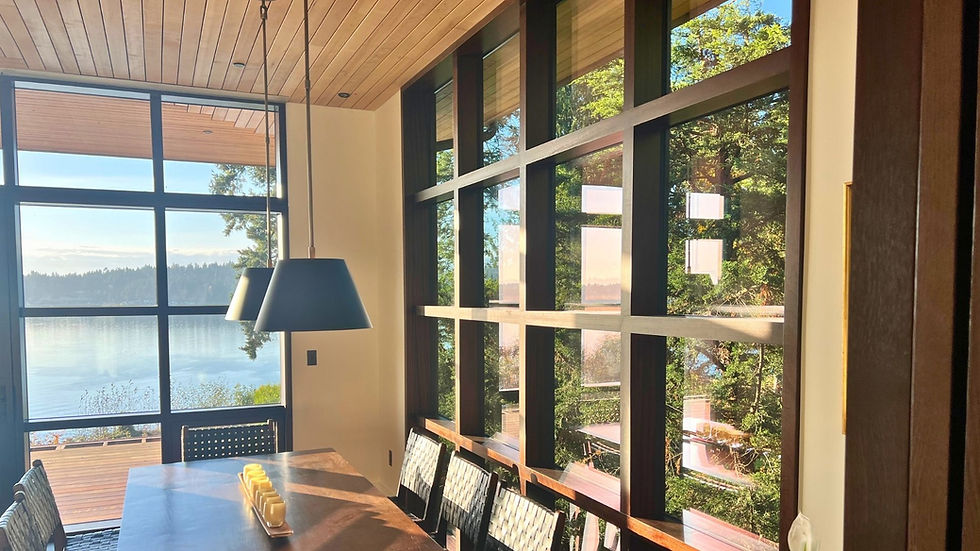
Wood-clad windows are uniquely engineered with a structural wood core on the interior and a precision aluminum cladding on the exterior. The two materials are bonded and engineered to work together, with each handling the conditions it is best suited for. The wood interior provides natural insulation, authentic grain and texture, and the ability to be stained or painted to match any interior specification. The aluminum cladding protects the wood from moisture, UV exposure, and the weather cycling that degrades unprotected wood over time.
The construction is not skin deep. The wood core runs through the structural sections of the frame and sash, reinforced by the aluminum cladding that adds rigidity without adding thermal conductivity. This makes it a genuinely high-performing wood product, not a cosmetic one. The thermal and aesthetic benefits of the wood are present throughout the system, not just as a surface veneer, which is what separates genuine clad wood construction from laminated or wrapped products that apply a thin wood appearance over a synthetic core.
The aluminum exterior is itself a precision-extruded profile; our extruded aluminum window framing guide covers how those profiles are engineered.
Which Wood Species Are Used in Clad Wood Window Frames?
The interior wood species varies by manufacturer and project specification. Douglas fir and oak are common choices for their structural stability and clean grain. Maple offers a tight, consistent appearance well suited to contemporary interiors. For clients exploring ideas around matching existing millwork or developing a specific design style, custom sizes and species selections are available through premium manufacturers. The wood can be delivered unfinished for site staining, or factory finished to a specified color.
Pro tip: Specify the interior wood species at the same time as the exterior aluminum finish. Factory finishing the wood interior ensures consistent color across all units and eliminates the site labor and quality variability of field-applied stain on installed frames.
Why Is a Low Maintenance Exterior One of the Strongest Arguments for Wood-Clad?

Exposed wood on building exteriors requires ongoing maintenance to remain weather resistant. In the Pacific Northwest, where rain, humidity, and temperature swings are relentless, unprotected wood window frames need re-coating on a cycle that most homeowners underestimate at the time of specification. The aluminum cladding on a wood-clad window eliminates that cycle entirely. The exterior requires no painting, no sealing, and no wood treatment, just occasional cleaning.
According to the American Wood Council, wood exposed to repeated wetting and drying cycles without adequate protection is subject to dimensional movement, checking, and finish failure that accelerates structural degradation over time. The aluminum exterior of a clad system prevents that exposure entirely, protecting the wood core from the elements while allowing the interior to retain its natural warmth and character indefinitely.
For projects in mountain environments or coastal locations where weather exposure is more extreme, this durability argument becomes even stronger. The aluminum exterior is durable, can be powder-coated in any RAL color, resists fading and chalking, and maintains its finish quality across decades of exposure without intervention.
How Do Wood-Clad Windows Perform on Energy Efficiency?
Wood is a natural insulator. Its cellular structure resists heat transfer without requiring the thermal break technology that aluminum frames depend on to achieve comparable performance. In a wood-clad window, the wood core handles the thermal performance at the frame while the aluminum exterior provides structural protection. The combination delivers overall thermal performance that meets or exceeds what thermally broken aluminum frames achieve, without the added engineering complexity.
Wood's lower thermal conductivity also means the interior frame surface stays warmer in cold conditions, reducing condensation risk at the frame perimeter and keeping the air near the window wall comfortable rather than drafty. For large glazed openings with expansive views where natural light and a connection to nature are central to the design intent, this translates to meaningful comfort improvement in the occupied space near the window wall.
Did you know? Wood has a thermal conductivity roughly 400 times lower than aluminum, which is why wood-clad frames achieve strong thermal performance without requiring an engineered thermal break insert in the frame profile.
Are Wood-Clad Windows and Doors the Right Choice for Every Opening?

Wood-clad construction is well suited to most window and door types in luxury residential projects, but the application matters. Here is where clad wood systems perform at the highest level and where other materials may be worth considering:
Fixed picture windows and casement windows where the wood interior anchors the visual connection between the glazing and the interior architecture
Patio doors and large sliding systems where the interior wood frames the outdoor view and creates visual continuity with wood flooring or ceiling elements
Front doors and entry systems where the warmth of wood on the interior makes an immediate impression and the aluminum exterior handles weather exposure without compromise
Double hung windows in traditional or transitional architecture where wood detailing on the interior sash and frame is part of the design language
Wood replacement windows in renovation projects where the original building had wood windows and maintaining that material quality on the interior is a client priority
For projects where the exterior aluminum profile and overall door and window system selection are still being finalized, this guide to Pacific Northwest door and window materials covers the full range of material considerations specific to this climate.
What Makes a Double Hung Window Well Suited to Wood-Clad Construction?
The double hung window is one of the most specified window types in traditional and transitional residential architecture, and it is also one where the interior material choice is most visible. Both wood sash elements, the upper and lower, are present in the interior view at all times, making the quality and character of the wood core immediately apparent. A clad double hung window delivers the classic proportions and detailing of wood construction with an exterior that requires no ongoing maintenance regardless of exposure.
For renovation projects replacing original wood double hung windows, clad wood replacement windows allow the interior character of the original construction to be preserved while upgrading the thermal performance and eliminating the exterior maintenance that drove the replacement decision in the first place.
Pro tip: When specifying wood-clad double hung windows as replacements, confirm the rough opening dimensions early. Clad wood frames are typically slightly deeper than the original wood frames being replaced, and jamb extensions may be needed to bring the interior trim back to the original reveal.
How Do Premium Windows Like Wood-Clad Systems Differ From Standard Market Options?

The premium windows category is broad, but wood-clad systems sit at the top of it for a specific reason: the material combination is genuinely superior construction, not a marketing position. Standard aluminum windows, regardless of finish quality, cannot replicate the thermal mass, the tactile warmth, or the natural variation of real wood on the interior. Standard wood windows, regardless of species quality, cannot match the durability and low maintenance of an aluminum-clad exterior.
Wood-clad systems from manufacturers like M Sora, who have been producing eco-certified wooden window systems since 1948, represent decades of refinement in bonding, sealing, and engineering the interface between wood and aluminum. The construction quality at that junction is what determines whether the system performs as intended over decades of thermal cycling and weather exposure.
Lucent's wood-clad door and window systems draw from this manufacturing heritage. If you are specifying for a project and want to explore what is available, that is the right starting point.
What About Specialty Openings Like Pass-Through Windows?
Wood-clad construction is most common in standard window and door configurations, but the material logic applies to specialty openings as well. For projects where pass-through windows are part of the design, this architect's guide to pass-through window types covers the configuration and material considerations specific to those openings.
How to approach wood-clad window specification on a new project:
Confirm the interior design direction and identify where wood warmth is a priority versus where aluminum profiles are preferred for a more contemporary result
Select the interior wood species based on grain character, finishing compatibility with the interior millwork, and any FSC certification requirements for the project
Choose the exterior aluminum finish from the available powder coat range, coordinating with other aluminum elements on the facade
Specify the glazing configuration, typically double glazed with argon gas fill as the baseline, with triple glazing reserved for extreme climate zones or acoustic requirements. Impact resistant glass is worth specifying for any ground-floor or exposed opening in storm-prone regions
Confirm custom sizes and lead times with the manufacturer early, as wood-clad systems typically have longer production schedules than standard aluminum products
If you are working through window specifications for a current project, contact Lucent to discuss material options, lead times, and what is right for your specific climate and design intent.
Pro tip: Wood-clad windows and doors are designed specifically to be installed as a complete system. Mixing clad wood windows with standard aluminum patio doors in the same elevation can create a visible mismatch in profile depth and reveal dimensions that reads as unresolved in the finished space.
Frequently Asked Questions About Wood-Clad Windows
What is the difference between wood-clad and aluminum-clad windows?
Wood-clad windows have a real wood interior with an aluminum exterior cladding. Aluminum-clad windows refer to the same construction type, just named from the exterior material perspective. Both terms describe the same hybrid system. The distinction that matters is between genuine clad wood construction with a structural wood core versus products that apply a thin wood surface to a synthetic or aluminum frame.
How long do wood-clad windows last?
Well-manufactured wood-clad windows from established producers typically last 30 to 50 years or more with basic care. The aluminum exterior protects the wood core from the degradation that limits the lifespan of exposed wood windows. The primary maintenance requirement is periodic cleaning of the aluminum exterior and inspection of the glazing seals, both of which are straightforward tasks.
Can wood-clad windows be painted or stained?
Yes. The wood interior can be stained or painted to any specification. Factory finishing is available from most premium manufacturers and is recommended for color consistency across all units in a project. Field finishing is also an option for projects where the interior finish will be applied after installation as part of the broader interior painting and staining scope.
Are wood-clad windows more expensive than aluminum windows?
Yes, typically. Wood-clad systems carry a higher material cost than standard thermally broken aluminum windows due to the additional manufacturing complexity and the cost of the wood core. On high-specification projects where the interior aesthetic and thermal performance justify the investment, the premium is well within the range that architects and builders regularly specify. The reduction in long-term maintenance costs partially offsets the higher upfront price compared to exposed wood windows.
Do wood-clad windows work in wet or coastal climates?
Yes, and in many ways they are better suited to wet and coastal climates than either pure wood or standard aluminum. The aluminum exterior completely shields the wood core from moisture exposure, eliminating the swelling, checking, and finish failure that makes exposed wood windows a poor long-term choice in high-rainfall environments. The wood interior retains its appearance and thermal properties regardless of exterior conditions.
Can wood-clad windows be made in custom sizes?
Yes. Most premium wood-clad window manufacturers offer custom sizes as a standard part of their offering, not as a special exception. For luxury architectural projects where opening dimensions are driven by design intent rather than standard product sizes, this is an important capability. Confirm available size ranges and lead times with the manufacturer early in the specification process, as custom production schedules are longer than off-the-shelf aluminum products.
Ready to Specify Wood-Clad Windows and Doors for Your Next Project?
Wood-clad windows resolve the tension between interior warmth and exterior durability that has defined window specification in luxury architecture for decades. They deliver the natural beauty and thermal performance of real wood where it matters most, backed by aluminum construction that handles everything the exterior environment can deliver without requiring ongoing intervention.
Lucent works with architects, builders, and homeowners across Washington, Oregon, Idaho, Montana, and Wyoming to specify and install wood-clad door and window systems at the highest level of quality and precision. Contact Lucent to discuss your project and find the right window system for your design intent and climate.